Buy e-mobil.eu ?
We are moving the project
e-mobil.eu .
Are you interested in purchasing the domain
e-mobil.eu ?
domain@kv-gmbh.de · 0541-91531010
Buy e-mobil.eu ?
Does an electric car have a turbocharger?
No, electric cars do not have turbochargers. Turbochargers are used in internal combustion engines to increase power and efficiency by forcing more air into the engine. Since electric cars do not have internal combustion engines, they do not require turbochargers. Instead, electric cars use electric motors and batteries to power the vehicle. **
Who advocates for sustainability in Europe?
In Europe, sustainability is advocated for by a variety of stakeholders including governments, non-governmental organizations (NGOs), businesses, and individuals. The European Union plays a significant role in promoting sustainability through policies, regulations, and funding initiatives. NGOs such as Greenpeace, WWF, and Friends of the Earth also actively advocate for sustainability by raising awareness, conducting research, and lobbying for environmental protection. Additionally, many European businesses are increasingly incorporating sustainability practices into their operations in response to consumer demand and regulatory pressures. **
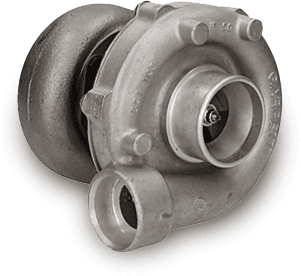
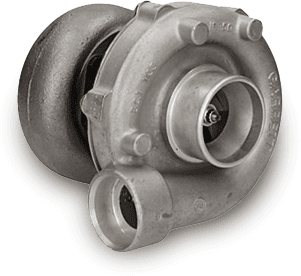
Similar search terms for TURBOS-EUROPE-TE4933501960-Turbocharger
Top-Angebote
Products related to TURBOS-EUROPE-TE4933501960-Turbocharger:
-
TURBOS EUROPE TE54389700008 TurbochargerCharge Type: Exhaust Turbocharger, Electrically controlled actuator; Manufacturer Restriction: BorgWarner/KKK; Supplementary Article / Supplementary Info: with gaskets/seals; Supplementary Article / Supplementary Info Info 2: with exhaust manifold; Adapter Shape: D Shape; Net weight [kg]: 8,2; Construction Year to: 03/2019, 03/2020, 06/2018, 10/2019; Emissions Standard: Euro 6; Vehicle type: Doblo Cargo, Pratico, Egea, Tipo; TecDoc Engine Number: 24568, 33008, 31789, 36120, 34807, 34808; Vehicle Equipment: for vehicles without SCR system750,99 £*Shipping: 1,99 £Secure redirect to the provider
-
TURBOS EUROPE TE85028212 TurbochargerCharge Type: Exhaust Turbocharger, Electrically controlled actuator; Manufacturer Restriction: Garrett/Honeywell; Supplementary Article / Supplementary Info: with gaskets/seals; Net weight [kg]: 5,77; TecDoc Engine Number: 35373, 35838, 37231, 37232; Vehicle type: Megane, Megane Grand Coupe, Dokker Stepway, Dokker, Lodgy, Lodgy Stepway; Construction Year to: 10/2020832,99 £*Shipping: 1,99 £Secure redirect to the provider
-
TURBOS EUROPE TE8362501 TurbochargerCharge Type: Exhaust Turbocharger, Pneumatically controlled actuator; Manufacturer Restriction: Garrett/Honeywell; Supplementary Article / Supplementary Info: with gaskets/seals; Net weight [kg]: 3,88; TecDoc Engine Number: 28613, 29556, 32884, 29366, 34179, 32996, 36108, 34739, 34738, 34732, 34731, 32357; Vehicle type: DS4, DS4 Crossback, C3, Crossland X, Crossland, Grandland X, Grandland; Catalytic Converter Type: for vehicles without soot particulate filter766,99 £*Shipping: 1,99 £Secure redirect to the provider
-
TURBOS EUROPE TE16339700027 TurbochargerCharge Type: Exhaust Turbocharger, Electrically controlled actuator; Manufacturer Restriction: BORGWARNER/KKK; Supplementary Article / Supplementary Info: with gaskets/seals; Net weight [kg]: 4,6; TecDoc Engine Number: 30928, 35805, 31351, 36073, 31431, 32528, 36928, 33629, 33893, 33102, 33426, 33442, 37544, 34414, 36356, 34645, 36662, 34882, 34768, 34769, 34841, 34919, 31158, 36657, 31157, 36658, 34874, 36992, 45771, 34884, 37173, 34933, 36358, 34950, 36038, 36161, 36965, 44292, 46607, 37415; Catalytic Converter Type: for vehicles without soot particulate filter; Vehicle type: Caddy, Caddy Maxi1024,00 £*Shipping: 1,99 £Secure redirect to the provider


-
Is a turbocharger possible in an electric car?
While traditional turbochargers are not compatible with electric cars since they rely on exhaust gases to operate, there are electric turbochargers that can be used in electric vehicles. Electric turbochargers are powered by electricity and can provide instant boost to the engine, improving performance and efficiency. These electric turbochargers are still in the early stages of development but show promise in enhancing the performance of electric vehicles. **
-
How green is e-mobility?
E-mobility, or electric mobility, is considered a greener alternative to traditional vehicles that run on fossil fuels. Electric vehicles produce zero tailpipe emissions, reducing air pollution and greenhouse gas emissions. However, the overall environmental impact of e-mobility depends on factors such as the source of electricity used to charge the vehicles. If the electricity comes from renewable sources like solar or wind power, e-mobility can be considered very green. Additionally, the manufacturing and disposal of batteries used in electric vehicles can also have environmental implications that need to be considered. **
-
Where is the turbocharger?
The turbocharger is typically located between the engine and the exhaust system. It is connected to the exhaust manifold and uses exhaust gases to spin a turbine, which in turn compresses air and forces it into the engine's intake manifold. This compressed air allows for more fuel to be burned, resulting in increased power and efficiency. **
-
Which BMW has a turbocharger?
Many BMW models are equipped with turbochargers, but one notable example is the BMW 3 Series. The 3 Series has been offered with turbocharged engines in various configurations, providing improved performance and fuel efficiency. The turbocharged engines in the 3 Series have helped to enhance the driving experience and maintain BMW's reputation for producing powerful and dynamic vehicles. **

How is the turbocharger lubricated?
The turbocharger is lubricated by the engine's oil system. The oil is supplied to the turbocharger through a dedicated oil feed line, which delivers pressurized oil to the bearings and other moving parts within the turbocharger. This lubrication helps reduce friction and heat, allowing the turbocharger to operate efficiently and reliably. It is important to use high-quality oil and to maintain proper oil levels and change intervals to ensure the turbocharger remains properly lubricated. **
Why does a turbocharger whistle?
A turbocharger whistles due to the sound of the compressed air being forced through the turbine blades. As the exhaust gases from the engine spin the turbine, it creates a high-pitched whistling sound as the air is compressed and forced into the engine's intake system. This whistling sound is a result of the high-speed rotation of the turbine and the pressure of the compressed air, and it is a characteristic sound of turbocharged engines. **
Top-Angebote
Products related to TURBOS-EUROPE-TE4933501960-Turbocharger:
-
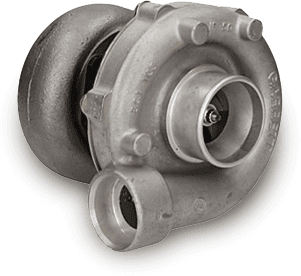
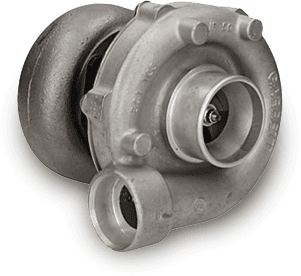
TURBOS EUROPE TE4933501960 TurbochargerCharge Type: Exhaust Turbocharger, Electrically controlled actuator; Manufacturer Restriction: Mitsubishi; Supplementary Article / Supplementary Info: with gaskets/seals; Net weight [kg]: 5,76; TecDoc Engine Number: 31349, 460881143,00 £*Shipping: 1,99 £Secure redirect to the provider
-
TURBOS EUROPE TE18509700013 TurbochargerCharge Type: regulated two-stage charging, Pneumatically controlled actuator; Manufacturer Restriction: BorgWarner/KKK; Supplementary Article / Supplementary Info: with gaskets/seals; Supplementary Article / Supplementary Info Info 2: Low-pressure Side; Version: Part of biturbo; Fitting Position: Lower; Net weight [kg]: 6,7; Vehicle type: S60, S60 Cross Country; TecDoc Engine Number: 31055669,99 £*Shipping: 1,99 £Secure redirect to the provider
-
TURBOS EUROPE TE54389700008 TurbochargerCharge Type: Exhaust Turbocharger, Electrically controlled actuator; Manufacturer Restriction: BorgWarner/KKK; Supplementary Article / Supplementary Info: with gaskets/seals; Supplementary Article / Supplementary Info Info 2: with exhaust manifold; Adapter Shape: D Shape; Net weight [kg]: 8,2; Construction Year to: 03/2019, 03/2020, 06/2018, 10/2019; Emissions Standard: Euro 6; Vehicle type: Doblo Cargo, Pratico, Egea, Tipo; TecDoc Engine Number: 24568, 33008, 31789, 36120, 34807, 34808; Vehicle Equipment: for vehicles without SCR system750,99 £*Shipping: 1,99 £Secure redirect to the provider
-
TURBOS EUROPE TE85028212 TurbochargerCharge Type: Exhaust Turbocharger, Electrically controlled actuator; Manufacturer Restriction: Garrett/Honeywell; Supplementary Article / Supplementary Info: with gaskets/seals; Net weight [kg]: 5,77; TecDoc Engine Number: 35373, 35838, 37231, 37232; Vehicle type: Megane, Megane Grand Coupe, Dokker Stepway, Dokker, Lodgy, Lodgy Stepway; Construction Year to: 10/2020832,99 £*Shipping: 1,99 £Secure redirect to the provider
-
Does an electric car have a turbocharger?
No, electric cars do not have turbochargers. Turbochargers are used in internal combustion engines to increase power and efficiency by forcing more air into the engine. Since electric cars do not have internal combustion engines, they do not require turbochargers. Instead, electric cars use electric motors and batteries to power the vehicle. **
-
Who advocates for sustainability in Europe?
In Europe, sustainability is advocated for by a variety of stakeholders including governments, non-governmental organizations (NGOs), businesses, and individuals. The European Union plays a significant role in promoting sustainability through policies, regulations, and funding initiatives. NGOs such as Greenpeace, WWF, and Friends of the Earth also actively advocate for sustainability by raising awareness, conducting research, and lobbying for environmental protection. Additionally, many European businesses are increasingly incorporating sustainability practices into their operations in response to consumer demand and regulatory pressures. **
-
Is a turbocharger possible in an electric car?
While traditional turbochargers are not compatible with electric cars since they rely on exhaust gases to operate, there are electric turbochargers that can be used in electric vehicles. Electric turbochargers are powered by electricity and can provide instant boost to the engine, improving performance and efficiency. These electric turbochargers are still in the early stages of development but show promise in enhancing the performance of electric vehicles. **
-
How green is e-mobility?
E-mobility, or electric mobility, is considered a greener alternative to traditional vehicles that run on fossil fuels. Electric vehicles produce zero tailpipe emissions, reducing air pollution and greenhouse gas emissions. However, the overall environmental impact of e-mobility depends on factors such as the source of electricity used to charge the vehicles. If the electricity comes from renewable sources like solar or wind power, e-mobility can be considered very green. Additionally, the manufacturing and disposal of batteries used in electric vehicles can also have environmental implications that need to be considered. **
Similar search terms for TURBOS-EUROPE-TE4933501960-Turbocharger
-
TURBOS EUROPE TE8362501 TurbochargerCharge Type: Exhaust Turbocharger, Pneumatically controlled actuator; Manufacturer Restriction: Garrett/Honeywell; Supplementary Article / Supplementary Info: with gaskets/seals; Net weight [kg]: 3,88; TecDoc Engine Number: 28613, 29556, 32884, 29366, 34179, 32996, 36108, 34739, 34738, 34732, 34731, 32357; Vehicle type: DS4, DS4 Crossback, C3, Crossland X, Crossland, Grandland X, Grandland; Catalytic Converter Type: for vehicles without soot particulate filter766,99 £*Shipping: 1,99 £Secure redirect to the provider
-
TURBOS EUROPE TE16339700027 TurbochargerCharge Type: Exhaust Turbocharger, Electrically controlled actuator; Manufacturer Restriction: BORGWARNER/KKK; Supplementary Article / Supplementary Info: with gaskets/seals; Net weight [kg]: 4,6; TecDoc Engine Number: 30928, 35805, 31351, 36073, 31431, 32528, 36928, 33629, 33893, 33102, 33426, 33442, 37544, 34414, 36356, 34645, 36662, 34882, 34768, 34769, 34841, 34919, 31158, 36657, 31157, 36658, 34874, 36992, 45771, 34884, 37173, 34933, 36358, 34950, 36038, 36161, 36965, 44292, 46607, 37415; Catalytic Converter Type: for vehicles without soot particulate filter; Vehicle type: Caddy, Caddy Maxi1024,00 £*Shipping: 1,99 £Secure redirect to the provider
-
TURBOS EUROPE TE4913500700 TurbochargerCharge Type: Exhaust Turbocharger, Pneumatically controlled actuator; Manufacturer Restriction: Mitsubishi; Supplementary Article / Supplementary Info: with gaskets/seals; Net weight [kg]: 4,65; Vehicle type: Ducato 30, Ducato 33, Ducato 35, Ducato 40, Ducato 26, Ducato 25, Ducato 28; TecDoc Engine Number: 32951, 46146742,99 £*Shipping: 1,99 £Secure redirect to the provider
-
TURBOS EUROPE TE7583512 TurbochargerCharge Type: Exhaust Turbocharger, Electrically controlled actuator; Manufacturer Restriction: Garrett/Honeywell; Supplementary Article / Supplementary Info: with gaskets/seals; Net weight [kg]: 7,7; TecDoc Engine Number: 27248, 27267; Vehicle Identification Number (VIN): ___NR7__/___NX7__648,99 £*Shipping: 1,99 £Secure redirect to the provider
-
Where is the turbocharger?
The turbocharger is typically located between the engine and the exhaust system. It is connected to the exhaust manifold and uses exhaust gases to spin a turbine, which in turn compresses air and forces it into the engine's intake manifold. This compressed air allows for more fuel to be burned, resulting in increased power and efficiency. **
-
Which BMW has a turbocharger?
Many BMW models are equipped with turbochargers, but one notable example is the BMW 3 Series. The 3 Series has been offered with turbocharged engines in various configurations, providing improved performance and fuel efficiency. The turbocharged engines in the 3 Series have helped to enhance the driving experience and maintain BMW's reputation for producing powerful and dynamic vehicles. **
-
How is the turbocharger lubricated?
The turbocharger is lubricated by the engine's oil system. The oil is supplied to the turbocharger through a dedicated oil feed line, which delivers pressurized oil to the bearings and other moving parts within the turbocharger. This lubrication helps reduce friction and heat, allowing the turbocharger to operate efficiently and reliably. It is important to use high-quality oil and to maintain proper oil levels and change intervals to ensure the turbocharger remains properly lubricated. **
-
Why does a turbocharger whistle?
A turbocharger whistles due to the sound of the compressed air being forced through the turbine blades. As the exhaust gases from the engine spin the turbine, it creates a high-pitched whistling sound as the air is compressed and forced into the engine's intake system. This whistling sound is a result of the high-speed rotation of the turbine and the pressure of the compressed air, and it is a characteristic sound of turbocharged engines. **
* All prices are inclusive of VAT and, if applicable, plus shipping costs. The offer information is based on the details provided by the respective shop and is updated through automated processes. Real-time updates do not occur, so deviations can occur in individual cases. ** Note: Parts of this content were created by AI.