Buy e-mobil.eu ?
We are moving the project
e-mobil.eu .
Are you interested in purchasing the domain
e-mobil.eu ?
domain@kv-gmbh.de · 0541-91531010
Buy e-mobil.eu ?
What types of symmetry are there: point symmetry, axis symmetry, or no symmetry?
There are three types of symmetry: point symmetry, axis symmetry, and no symmetry. Point symmetry occurs when an object can be rotated 180 degrees around a central point and still look the same. Axis symmetry, also known as reflection symmetry, occurs when an object can be reflected across a line and still look the same. No symmetry means that the object does not have any regular repeating pattern or axis of reflection. **
What is the difference between axis symmetry, axis of symmetry, rotational symmetry, and point symmetry?
Axis symmetry refers to the property of a shape being symmetrical with respect to an axis, meaning that if the shape is folded along the axis, the two halves will coincide. The axis of symmetry is the line along which the shape is symmetrical. Rotational symmetry refers to the property of a shape being able to be rotated by a certain angle and still look the same. Point symmetry refers to the property of a shape being symmetrical with respect to a central point, meaning that if the shape is rotated 180 degrees around the point, it will look the same. **

Similar search terms for Symmetry
Top-Angebote
Products related to Symmetry:
-
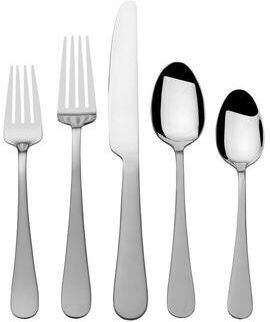
Mikasa Ciara Satin Symmetry 16 Piece Cutlery SetThe Mikasa Ciara Satin Symmetry 16 piece Cutlery Set ensures your dining table always looks its best. This set includes: 4 x forks, 4 x knives, 4 x dessert spoons and 4 x teaspoons, all made from high quality stainless steel. This elegant cutlery set can be used for any occasion, from BBQs to dinner parties or simply everyday family meal times. Dishwasher safe. Knives are not for sale to persons under the age of 18. - all knives and bladed products are delivered by Age Verified Delivery (AVD). The carrier may request proof of age in order to deliver your parcel. If proof of age is not available, or the recipient is underage, the carrier will refuse to deliver.27,99 £*Shipping: 3,50 £Secure redirect to the provider
-
"""Rodney Strong""" """Rodney Strong Symmetry Meritage 2020 Red Wine - California""""""The 2020 Symmetry is a blend of their best vineyard blocks, cherry picked to showcase luxurious aromas of cassis, bramble, and cacao which unfold on the palate into silky layers of dark fruits, sweet spices and a supple, rich mouthfeel. This wine..."49,99 $*Shipping: 0,00 $Secure redirect to the provider



-
How green is e-mobility?
E-mobility, or electric mobility, is considered a greener alternative to traditional vehicles that run on fossil fuels. Electric vehicles produce zero tailpipe emissions, reducing air pollution and greenhouse gas emissions. However, the overall environmental impact of e-mobility depends on factors such as the source of electricity used to charge the vehicles. If the electricity comes from renewable sources like solar or wind power, e-mobility can be considered very green. Additionally, the manufacturing and disposal of batteries used in electric vehicles can also have environmental implications that need to be considered. **
-
How do you investigate the symmetry of e-functions?
To investigate the symmetry of e-functions, you can use the properties of even and odd functions. An even function satisfies the condition f(x) = f(-x), meaning it is symmetric with respect to the y-axis. To test for even symmetry, you can substitute -x for x in the function and see if it remains unchanged. An odd function satisfies the condition f(x) = -f(-x), meaning it is symmetric with respect to the origin. To test for odd symmetry, you can substitute -x for x in the function and see if it becomes the negative of the original function. By applying these tests, you can determine the symmetry of e-functions. **
-
What are the similarities between axial symmetry and point symmetry?
Both axial symmetry and point symmetry involve the concept of symmetry in geometric shapes. In axial symmetry, an object is symmetrical if it can be divided into two equal halves by a line of symmetry. Similarly, in point symmetry, an object is symmetrical if it looks the same after being rotated 180 degrees around a central point. Both types of symmetry result in balanced and visually appealing shapes. **
-
What is the difference between point symmetry and rotational symmetry?
Point symmetry occurs when a figure looks the same after being rotated 180 degrees around a central point, while rotational symmetry occurs when a figure looks the same after being rotated a certain angle around a central point. In other words, point symmetry requires a 180-degree rotation to look the same, while rotational symmetry can occur with rotations of different angles. Additionally, point symmetry is a specific type of rotational symmetry, as it is a rotation of 180 degrees. **

What is the difference between axis symmetry and point symmetry?
Axis symmetry refers to a shape or object being symmetrical with respect to an axis, meaning that if you were to fold the shape along the axis, the two halves would perfectly overlap. Point symmetry, on the other hand, refers to a shape or object being symmetrical with respect to a single point, meaning that if you were to rotate the shape 180 degrees around that point, it would look the same. In essence, axis symmetry involves reflection across a line, while point symmetry involves rotation around a point. **
Point or axis symmetry?
Point symmetry occurs when a figure can be rotated 180 degrees around a central point and still look the same. Axis symmetry, on the other hand, occurs when a figure can be reflected across a line and still look the same. Point symmetry is less common in geometric figures compared to axis symmetry. **
Top-Angebote
Products related to Symmetry:
-
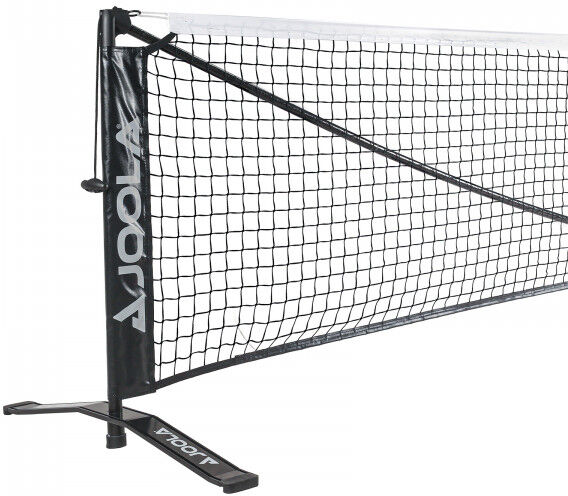
JOOLA Symmetry Pickleball NetThe JOOLA Symmetry Pickleball Net is quick to set up, easy to move, and built to last. It assembles in under five minutes with no tricky parts or confusing instructions, so you can get straight to playing. The true tensioning system keeps it at official regulation height, so there’s no need for...349,00 £*Shipping: 0,00 £Secure redirect to the provider
-
Mikasa Ciara Satin Symmetry 16 Piece Cutlery SetThe Mikasa Ciara Satin Symmetry 16 piece Cutlery Set ensures your dining table always looks its best. This set includes: 4 x forks, 4 x knives, 4 x dessert spoons and 4 x teaspoons, all made from high quality stainless steel. This elegant cutlery set can be used for any occasion, from BBQs to dinner parties or simply everyday family meal times. Dishwasher safe. Knives are not for sale to persons under the age of 18. - all knives and bladed products are delivered by Age Verified Delivery (AVD). The carrier may request proof of age in order to deliver your parcel. If proof of age is not available, or the recipient is underage, the carrier will refuse to deliver.27,99 £*Shipping: 3,50 £Secure redirect to the provider
-
What types of symmetry are there: point symmetry, axis symmetry, or no symmetry?
There are three types of symmetry: point symmetry, axis symmetry, and no symmetry. Point symmetry occurs when an object can be rotated 180 degrees around a central point and still look the same. Axis symmetry, also known as reflection symmetry, occurs when an object can be reflected across a line and still look the same. No symmetry means that the object does not have any regular repeating pattern or axis of reflection. **
-
What is the difference between axis symmetry, axis of symmetry, rotational symmetry, and point symmetry?
Axis symmetry refers to the property of a shape being symmetrical with respect to an axis, meaning that if the shape is folded along the axis, the two halves will coincide. The axis of symmetry is the line along which the shape is symmetrical. Rotational symmetry refers to the property of a shape being able to be rotated by a certain angle and still look the same. Point symmetry refers to the property of a shape being symmetrical with respect to a central point, meaning that if the shape is rotated 180 degrees around the point, it will look the same. **
-
How green is e-mobility?
E-mobility, or electric mobility, is considered a greener alternative to traditional vehicles that run on fossil fuels. Electric vehicles produce zero tailpipe emissions, reducing air pollution and greenhouse gas emissions. However, the overall environmental impact of e-mobility depends on factors such as the source of electricity used to charge the vehicles. If the electricity comes from renewable sources like solar or wind power, e-mobility can be considered very green. Additionally, the manufacturing and disposal of batteries used in electric vehicles can also have environmental implications that need to be considered. **
-
How do you investigate the symmetry of e-functions?
To investigate the symmetry of e-functions, you can use the properties of even and odd functions. An even function satisfies the condition f(x) = f(-x), meaning it is symmetric with respect to the y-axis. To test for even symmetry, you can substitute -x for x in the function and see if it remains unchanged. An odd function satisfies the condition f(x) = -f(-x), meaning it is symmetric with respect to the origin. To test for odd symmetry, you can substitute -x for x in the function and see if it becomes the negative of the original function. By applying these tests, you can determine the symmetry of e-functions. **
Similar search terms for Symmetry
-
"""Rodney Strong""" """Rodney Strong Symmetry Meritage 2020 Red Wine - California""""""The 2020 Symmetry is a blend of their best vineyard blocks, cherry picked to showcase luxurious aromas of cassis, bramble, and cacao which unfold on the palate into silky layers of dark fruits, sweet spices and a supple, rich mouthfeel. This wine..."49,99 $*Shipping: 0,00 $Secure redirect to the provider
-
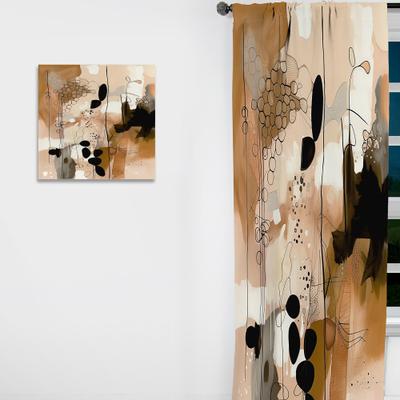
DESIGN ART "Designart ""Brown Colorful Symmetry V"" Abstract Curtain - Blackout Abstract Curtain - 1 Panel""Bring a breath of fresh air to your windows and spruce up any space in your home with this ""Brown Colorful Symmetry V"" Abstract 1 panel curtain. This beautiful Modern & Contemporary curtain is handmade on demand just for you."74,42 $*Shipping: 0,00 $Secure redirect to the provider
-
What are the similarities between axial symmetry and point symmetry?
Both axial symmetry and point symmetry involve the concept of symmetry in geometric shapes. In axial symmetry, an object is symmetrical if it can be divided into two equal halves by a line of symmetry. Similarly, in point symmetry, an object is symmetrical if it looks the same after being rotated 180 degrees around a central point. Both types of symmetry result in balanced and visually appealing shapes. **
-
What is the difference between point symmetry and rotational symmetry?
Point symmetry occurs when a figure looks the same after being rotated 180 degrees around a central point, while rotational symmetry occurs when a figure looks the same after being rotated a certain angle around a central point. In other words, point symmetry requires a 180-degree rotation to look the same, while rotational symmetry can occur with rotations of different angles. Additionally, point symmetry is a specific type of rotational symmetry, as it is a rotation of 180 degrees. **
-
What is the difference between axis symmetry and point symmetry?
Axis symmetry refers to a shape or object being symmetrical with respect to an axis, meaning that if you were to fold the shape along the axis, the two halves would perfectly overlap. Point symmetry, on the other hand, refers to a shape or object being symmetrical with respect to a single point, meaning that if you were to rotate the shape 180 degrees around that point, it would look the same. In essence, axis symmetry involves reflection across a line, while point symmetry involves rotation around a point. **
-
Point or axis symmetry?
Point symmetry occurs when a figure can be rotated 180 degrees around a central point and still look the same. Axis symmetry, on the other hand, occurs when a figure can be reflected across a line and still look the same. Point symmetry is less common in geometric figures compared to axis symmetry. **
* All prices are inclusive of VAT and, if applicable, plus shipping costs. The offer information is based on the details provided by the respective shop and is updated through automated processes. Real-time updates do not occur, so deviations can occur in individual cases. ** Note: Parts of this content were created by AI.