Buy e-mobil.eu ?
We are moving the project
e-mobil.eu .
Are you interested in purchasing the domain
e-mobil.eu ?
domain@kv-gmbh.de · 0541-91531010
Buy e-mobil.eu ?
How green is e-mobility?
E-mobility, or electric mobility, is considered a greener alternative to traditional vehicles that run on fossil fuels. Electric vehicles produce zero tailpipe emissions, reducing air pollution and greenhouse gas emissions. However, the overall environmental impact of e-mobility depends on factors such as the source of electricity used to charge the vehicles. If the electricity comes from renewable sources like solar or wind power, e-mobility can be considered very green. Additionally, the manufacturing and disposal of batteries used in electric vehicles can also have environmental implications that need to be considered. **
Does the profession of landscape gardener have no future?
The profession of landscape gardener does have a future, as the demand for well-designed and maintained outdoor spaces continues to grow. With the increasing emphasis on sustainable and eco-friendly landscaping, there is a need for skilled professionals who can create and maintain green spaces that are both aesthetically pleasing and environmentally responsible. Additionally, as urbanization continues, there is a growing need for landscape gardeners to design and maintain green spaces in cities. Overall, the profession of landscape gardener is likely to continue to be in demand for the foreseeable future. **

Similar search terms for Landscape
Top-Angebote
Products related to Landscape:
-
Uplifted Finds Aquarium Fish Tank Pirate Shipwreck Landscape Decoration Resin Sunken Ship Ornament eTransform your aquarium into a captivating underwater adventure with this Vintage Resin Pirate Shipwreck Aquarium Decoration. Handcrafted from ecofriendly, nontoxic resin, this detailed sunken ship ornament features realistic mossy textures,...121,97 $*Shipping: 0,00 $Secure redirect to the provider
-
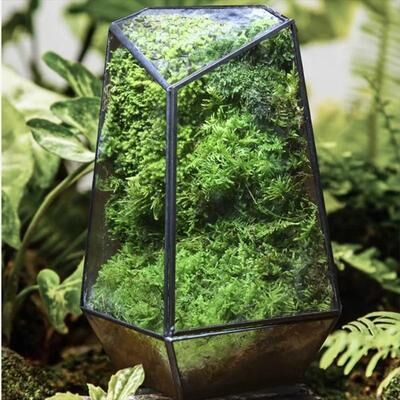
Uplift Essentials Quartz Shape Micro Landscape Glass Terrarium Quartz Shape Micro Landscape Glass TerrariumBring a touch of modern nature into your living space with this striking Quartz Shape Micro Landscape Glass Terrarium. This geometric terrarium serves as a sophisticated glass flower room, perfect for housing a moss planter tank or creating a unique...128,97 $*Shipping: 0,00 $Secure redirect to the provider
-
Domani Globe Distressed Landscape RugAdd a vibrant modern flair and a dash of color to any room with our Domani Globe rug collection. Crafted from polypropylene for a stain resistant and pet friendly design, adding style, comfort, and durability.276,74 $*Shipping: 0,00 $Secure redirect to the provider


-
What does the future of landscape gardening look like?
The future of landscape gardening is likely to be more sustainable and environmentally friendly. There will be a greater emphasis on using native plants, reducing water usage, and creating habitats for wildlife. Technology will also play a role, with the use of smart irrigation systems and digital tools to design and plan landscapes. Additionally, there may be a shift towards more functional landscapes, such as edible gardens and outdoor living spaces that serve multiple purposes. Overall, the future of landscape gardening will prioritize creating beautiful, functional, and sustainable outdoor spaces. **
-
What is the difference between landscape and landscape ecosystem?
Landscape refers to the visible features of an area of land, including physical elements such as mountains, rivers, and forests. On the other hand, a landscape ecosystem encompasses not only the physical features of the land but also the interactions between living organisms and their environment within that landscape. It includes the relationships between plants, animals, and their surroundings, as well as the flow of energy and nutrients within the ecosystem. In essence, landscape ecosystem is a more holistic concept that considers both the physical and biological aspects of a landscape. **
-
What is the difference between landscape architecture and landscape planning?
Landscape architecture focuses on the design and planning of outdoor spaces, including parks, gardens, and urban plazas, with a focus on aesthetics, functionality, and sustainability. Landscape architects often work on specific projects, creating detailed designs and plans for outdoor spaces. On the other hand, landscape planning is a broader field that involves the strategic and holistic planning of land use, natural resources, and environmental conservation. It encompasses the assessment, analysis, and management of landscapes at a larger scale, often involving multiple stakeholders and considering long-term impacts on the environment and communities. In summary, landscape architecture is more focused on the design and aesthetics of outdoor spaces, while landscape planning involves the strategic and comprehensive planning of land use and natural resources. **
-
What does the future look like as a landscape architect?
As a landscape architect, the future looks promising with increasing demand for sustainable and resilient designs. There will be a greater focus on incorporating green infrastructure, such as rain gardens and green roofs, to mitigate the effects of climate change. Additionally, advancements in technology will allow for more accurate and efficient design processes, while also providing opportunities for creating innovative and interactive spaces. Collaboration with other professionals, such as urban planners and environmental scientists, will also be essential in addressing complex environmental and social challenges. Overall, the future for landscape architects involves creating beautiful, functional, and environmentally conscious outdoor spaces that enhance the well-being of communities. **


What are landscape zones?
Landscape zones refer to different areas within a landscape that are designated for specific purposes or have distinct characteristics. These zones can include areas for recreation, conservation, agriculture, or residential development. They are often planned and managed to optimize the use of the land and to protect natural resources. By dividing a landscape into zones, it becomes easier to balance human activities with the preservation of natural ecosystems. **
What are landscape units?
Landscape units are distinct areas within a landscape that share similar ecological, geological, and topographical characteristics. These units are defined based on factors such as soil type, vegetation, landform, and hydrology. By identifying and mapping landscape units, land managers and conservationists can better understand the diversity and dynamics of a landscape, and make informed decisions about land use and conservation strategies. This approach helps to recognize the unique features and functions of different areas within a landscape, and can guide efforts to protect and manage natural resources. **
Top-Angebote
Products related to Landscape:
-
Fine Decor Meilani Green Palm Landscape WallpaperAdmire the lush sophistication of the tropics with this embossed vinyl wallpaper. A medley of palm trees and other rainforest greenery are artistically rendered along a backdrop imbued with fabric detailing.54,99 $*Shipping: 0,00 $Secure redirect to the provider
-
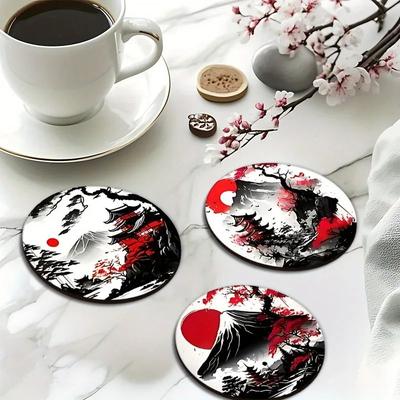
Uplift Treasures Japanese Landscape Wooden Coaster Set Japanese Landscape Wooden Coaster SetProduct Description: Add a touch of elegance to your table with this beautifully crafted 6piece wooden coaster set featuring serene Japanese landscape designs. Stylish, practical, and durable, it protects your surfaces while enhancing your home or...42,97 $*Shipping: 0,00 $Secure redirect to the provider
-
Uplifted Finds Aquarium Fish Tank Pirate Shipwreck Landscape Decoration Resin Sunken Ship Ornament eTransform your aquarium into a captivating underwater adventure with this Vintage Resin Pirate Shipwreck Aquarium Decoration. Handcrafted from ecofriendly, nontoxic resin, this detailed sunken ship ornament features realistic mossy textures,...121,97 $*Shipping: 0,00 $Secure redirect to the provider
-
Uplift Essentials Quartz Shape Micro Landscape Glass Terrarium Quartz Shape Micro Landscape Glass TerrariumBring a touch of modern nature into your living space with this striking Quartz Shape Micro Landscape Glass Terrarium. This geometric terrarium serves as a sophisticated glass flower room, perfect for housing a moss planter tank or creating a unique...128,97 $*Shipping: 0,00 $Secure redirect to the provider
-
How green is e-mobility?
E-mobility, or electric mobility, is considered a greener alternative to traditional vehicles that run on fossil fuels. Electric vehicles produce zero tailpipe emissions, reducing air pollution and greenhouse gas emissions. However, the overall environmental impact of e-mobility depends on factors such as the source of electricity used to charge the vehicles. If the electricity comes from renewable sources like solar or wind power, e-mobility can be considered very green. Additionally, the manufacturing and disposal of batteries used in electric vehicles can also have environmental implications that need to be considered. **
-
Does the profession of landscape gardener have no future?
The profession of landscape gardener does have a future, as the demand for well-designed and maintained outdoor spaces continues to grow. With the increasing emphasis on sustainable and eco-friendly landscaping, there is a need for skilled professionals who can create and maintain green spaces that are both aesthetically pleasing and environmentally responsible. Additionally, as urbanization continues, there is a growing need for landscape gardeners to design and maintain green spaces in cities. Overall, the profession of landscape gardener is likely to continue to be in demand for the foreseeable future. **
-
What does the future of landscape gardening look like?
The future of landscape gardening is likely to be more sustainable and environmentally friendly. There will be a greater emphasis on using native plants, reducing water usage, and creating habitats for wildlife. Technology will also play a role, with the use of smart irrigation systems and digital tools to design and plan landscapes. Additionally, there may be a shift towards more functional landscapes, such as edible gardens and outdoor living spaces that serve multiple purposes. Overall, the future of landscape gardening will prioritize creating beautiful, functional, and sustainable outdoor spaces. **
-
What is the difference between landscape and landscape ecosystem?
Landscape refers to the visible features of an area of land, including physical elements such as mountains, rivers, and forests. On the other hand, a landscape ecosystem encompasses not only the physical features of the land but also the interactions between living organisms and their environment within that landscape. It includes the relationships between plants, animals, and their surroundings, as well as the flow of energy and nutrients within the ecosystem. In essence, landscape ecosystem is a more holistic concept that considers both the physical and biological aspects of a landscape. **
Similar search terms for Landscape
-
Domani Globe Distressed Landscape RugAdd a vibrant modern flair and a dash of color to any room with our Domani Globe rug collection. Crafted from polypropylene for a stain resistant and pet friendly design, adding style, comfort, and durability.276,74 $*Shipping: 0,00 $Secure redirect to the provider
-
Avanti Linens Cactus Landscape Hand TowelThe Avanti Cactus Landscape Decorative Embellished Hand Towel features a desert scene embroidered on a wide denim blue cuff with whip-stitching top and bottom. The ivory velour towel is 100% cotton for a soft feel and subtle sheen.26,98 $*Shipping: 0,00 $Secure redirect to the provider
-
Domani Globe Distressed Landscape RugAdd a vibrant modern flair and a dash of color to any room with our Domani Globe rug collection. Crafted from polypropylene for a stain resistant and pet friendly design, adding style, comfort, and durability.177,99 $*Shipping: 0,00 $Secure redirect to the provider
-
What is the difference between landscape architecture and landscape planning?
Landscape architecture focuses on the design and planning of outdoor spaces, including parks, gardens, and urban plazas, with a focus on aesthetics, functionality, and sustainability. Landscape architects often work on specific projects, creating detailed designs and plans for outdoor spaces. On the other hand, landscape planning is a broader field that involves the strategic and holistic planning of land use, natural resources, and environmental conservation. It encompasses the assessment, analysis, and management of landscapes at a larger scale, often involving multiple stakeholders and considering long-term impacts on the environment and communities. In summary, landscape architecture is more focused on the design and aesthetics of outdoor spaces, while landscape planning involves the strategic and comprehensive planning of land use and natural resources. **
-
What does the future look like as a landscape architect?
As a landscape architect, the future looks promising with increasing demand for sustainable and resilient designs. There will be a greater focus on incorporating green infrastructure, such as rain gardens and green roofs, to mitigate the effects of climate change. Additionally, advancements in technology will allow for more accurate and efficient design processes, while also providing opportunities for creating innovative and interactive spaces. Collaboration with other professionals, such as urban planners and environmental scientists, will also be essential in addressing complex environmental and social challenges. Overall, the future for landscape architects involves creating beautiful, functional, and environmentally conscious outdoor spaces that enhance the well-being of communities. **
-
What are landscape zones?
Landscape zones refer to different areas within a landscape that are designated for specific purposes or have distinct characteristics. These zones can include areas for recreation, conservation, agriculture, or residential development. They are often planned and managed to optimize the use of the land and to protect natural resources. By dividing a landscape into zones, it becomes easier to balance human activities with the preservation of natural ecosystems. **
-
What are landscape units?
Landscape units are distinct areas within a landscape that share similar ecological, geological, and topographical characteristics. These units are defined based on factors such as soil type, vegetation, landform, and hydrology. By identifying and mapping landscape units, land managers and conservationists can better understand the diversity and dynamics of a landscape, and make informed decisions about land use and conservation strategies. This approach helps to recognize the unique features and functions of different areas within a landscape, and can guide efforts to protect and manage natural resources. **
* All prices are inclusive of VAT and, if applicable, plus shipping costs. The offer information is based on the details provided by the respective shop and is updated through automated processes. Real-time updates do not occur, so deviations can occur in individual cases. ** Note: Parts of this content were created by AI.