Buy e-mobil.eu ?
We are moving the project
e-mobil.eu .
Are you interested in purchasing the domain
e-mobil.eu ?
domain@kv-gmbh.de · 0541-91531010
Buy e-mobil.eu ?
How green is e-mobility?
E-mobility, or electric mobility, is considered a greener alternative to traditional vehicles that run on fossil fuels. Electric vehicles produce zero tailpipe emissions, reducing air pollution and greenhouse gas emissions. However, the overall environmental impact of e-mobility depends on factors such as the source of electricity used to charge the vehicles. If the electricity comes from renewable sources like solar or wind power, e-mobility can be considered very green. Additionally, the manufacturing and disposal of batteries used in electric vehicles can also have environmental implications that need to be considered. **
Why does electric current flow?
Electric current flows when there is a movement of charged particles, such as electrons, through a conductor. This movement is driven by a potential difference, or voltage, which creates an electric field that pushes the charged particles in a specific direction. The flow of electric current is essential for the functioning of electrical devices and circuits, as it allows for the transfer of energy and the generation of various electrical effects. **


Similar search terms for Flow
Top-Angebote
Products related to Flow:

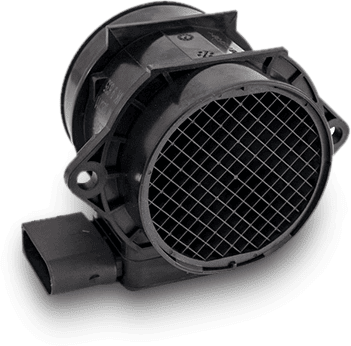


-
Does electric energy flow through a conductor?
Yes, electric energy does flow through a conductor. When a voltage is applied across a conductor, it creates an electric field that causes the flow of electric charge, which is the movement of electrons. This flow of electrons through the conductor is what we refer to as electric current, and it is how electric energy is transmitted from one point to another. **
-
'In which direction does electric current flow?'
Electric current flows from the positive terminal to the negative terminal in a circuit. This convention is based on the historical understanding of electricity and is known as conventional current flow. However, in reality, the flow of electrons (which carry the electric current) is from the negative terminal to the positive terminal, in a direction opposite to conventional current flow. **
-
How do you calculate the electric current flow?
Electric current flow is calculated using Ohm's Law, which states that current (I) is equal to the voltage (V) divided by the resistance (R). Mathematically, this can be represented as I = V/R. By measuring the voltage across a circuit and the resistance of the circuit, you can use this formula to calculate the electric current flowing through it. The unit of electric current is the ampere (A). **
-
What is the direction of the electric current flow?
The direction of electric current flow is from the positive terminal to the negative terminal of a voltage source, such as a battery. This convention is known as conventional current flow. In reality, electrons flow in the opposite direction, from the negative terminal to the positive terminal, but it is easier to analyze circuits using the conventional current flow direction. **


What is necessary for an electric current to flow?
For an electric current to flow, there must be a closed circuit, which means a complete path for the current to travel. This circuit must include a source of electrical potential, such as a battery or power supply, to provide the energy for the current to flow. Additionally, there must be a conductive material, such as a wire, to allow the movement of electrons and complete the circuit. Finally, there must be a potential difference, or voltage, between two points in the circuit to drive the flow of electrons. **
How are pressure, volume flow, and flow velocity related?
Pressure, volume flow, and flow velocity are related through the principles of fluid dynamics. When there is an increase in pressure, the volume flow rate also increases, and the flow velocity also increases. This relationship is described by the equation of continuity, which states that the product of the cross-sectional area and the flow velocity is constant for an incompressible fluid. Therefore, as pressure increases, the fluid flow must also increase in order to maintain the constant product of area and velocity. **
Top-Angebote
Products related to Flow:
-
How green is e-mobility?
E-mobility, or electric mobility, is considered a greener alternative to traditional vehicles that run on fossil fuels. Electric vehicles produce zero tailpipe emissions, reducing air pollution and greenhouse gas emissions. However, the overall environmental impact of e-mobility depends on factors such as the source of electricity used to charge the vehicles. If the electricity comes from renewable sources like solar or wind power, e-mobility can be considered very green. Additionally, the manufacturing and disposal of batteries used in electric vehicles can also have environmental implications that need to be considered. **
-
Why does electric current flow?
Electric current flows when there is a movement of charged particles, such as electrons, through a conductor. This movement is driven by a potential difference, or voltage, which creates an electric field that pushes the charged particles in a specific direction. The flow of electric current is essential for the functioning of electrical devices and circuits, as it allows for the transfer of energy and the generation of various electrical effects. **
-
Does electric energy flow through a conductor?
Yes, electric energy does flow through a conductor. When a voltage is applied across a conductor, it creates an electric field that causes the flow of electric charge, which is the movement of electrons. This flow of electrons through the conductor is what we refer to as electric current, and it is how electric energy is transmitted from one point to another. **
-
'In which direction does electric current flow?'
Electric current flows from the positive terminal to the negative terminal in a circuit. This convention is based on the historical understanding of electricity and is known as conventional current flow. However, in reality, the flow of electrons (which carry the electric current) is from the negative terminal to the positive terminal, in a direction opposite to conventional current flow. **
Similar search terms for Flow
-
How do you calculate the electric current flow?
Electric current flow is calculated using Ohm's Law, which states that current (I) is equal to the voltage (V) divided by the resistance (R). Mathematically, this can be represented as I = V/R. By measuring the voltage across a circuit and the resistance of the circuit, you can use this formula to calculate the electric current flowing through it. The unit of electric current is the ampere (A). **
-
What is the direction of the electric current flow?
The direction of electric current flow is from the positive terminal to the negative terminal of a voltage source, such as a battery. This convention is known as conventional current flow. In reality, electrons flow in the opposite direction, from the negative terminal to the positive terminal, but it is easier to analyze circuits using the conventional current flow direction. **
-
What is necessary for an electric current to flow?
For an electric current to flow, there must be a closed circuit, which means a complete path for the current to travel. This circuit must include a source of electrical potential, such as a battery or power supply, to provide the energy for the current to flow. Additionally, there must be a conductive material, such as a wire, to allow the movement of electrons and complete the circuit. Finally, there must be a potential difference, or voltage, between two points in the circuit to drive the flow of electrons. **
-
How are pressure, volume flow, and flow velocity related?
Pressure, volume flow, and flow velocity are related through the principles of fluid dynamics. When there is an increase in pressure, the volume flow rate also increases, and the flow velocity also increases. This relationship is described by the equation of continuity, which states that the product of the cross-sectional area and the flow velocity is constant for an incompressible fluid. Therefore, as pressure increases, the fluid flow must also increase in order to maintain the constant product of area and velocity. **
* All prices are inclusive of VAT and, if applicable, plus shipping costs. The offer information is based on the details provided by the respective shop and is updated through automated processes. Real-time updates do not occur, so deviations can occur in individual cases. ** Note: Parts of this content were created by AI.