Buy e-mobil.eu ?
We are moving the project
e-mobil.eu .
Are you interested in purchasing the domain
e-mobil.eu ?
domain@kv-gmbh.de · 0541-91531010
Buy e-mobil.eu ?
Why are demonstrative pronouns called demonstrative pronouns?
Demonstrative pronouns are called demonstrative because they demonstrate or point to a specific noun or pronoun in a sentence. They help to indicate the position or location of the noun or pronoun in relation to the speaker or listener. By using demonstrative pronouns such as "this," "that," "these," and "those," speakers can make their communication more precise and clear by specifying which person, place, thing, or idea they are referring to. **
What is the difference between demonstrative pronouns and demonstrative determiners in French?
In French, demonstrative pronouns (ce, cette, ces) stand alone to replace a noun, while demonstrative determiners (ce/cet, cette, ces) are used with a noun to indicate which specific thing or person is being referred to. For example, "Ce livre est intéressant" uses the demonstrative determiner "ce" with the noun "livre," while "Celui-ci est intéressant" uses the demonstrative pronoun "celui-ci" to replace the noun "livre." Demonstrative determiners are used before a noun, while demonstrative pronouns are used in place of a noun. **


Similar search terms for Demonstrative
Top-Angebote
Products related to Demonstrative:
-
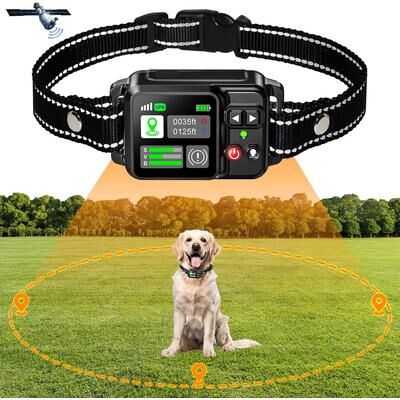
PetsAreLife GPS Wireless Dog Fencing System, Electric Dog Fence With GPS Electric Satellite Technology, Electric Pet Fencing System GPS Wireless Dog Fencing System, Electric Dog Fence With GPS Electric Satellite Technology, Electric Pet Fencing SystemKeep your best friend safe, happy, and free to roamwithout ever worrying about escapes. Our GPS Wireless Dog Fencing System combines cuttingedge satellite positioning with reliable electric borders to give you complete control over your pets play...114,99 $*Shipping: 0,00 $Secure redirect to the provider
-
Uplifted Finds Nylon H Frame Mobility Hub greenOptimize your pets outdoor safety and navigational control with the Nylon HFrame Mobility Hub, a professionalgrade restraint system engineered with dualpoint fixation logic. This highutility module features a specialized adjustablestrap architecture...32,97 $*Shipping: 0,00 $Secure redirect to the provider
-
The Handy Homestead GPS Wireless Dog Fencing System Electric Pet Containment With Satellite Technology GPS Wireless Dog Fencing System Electric Pet Containment With Satellite TechnologyEnsure your dogs safety without the hassle of traditional fencing with our GPS dog fence system. Designed for pet owners who want a reliable, invisible barrier, this system uses advanced GPS Satellite Technology to create a customizable perimeter...109,97 $*Shipping: 0,00 $Secure redirect to the provider


-
How green is e-mobility?
E-mobility, or electric mobility, is considered a greener alternative to traditional vehicles that run on fossil fuels. Electric vehicles produce zero tailpipe emissions, reducing air pollution and greenhouse gas emissions. However, the overall environmental impact of e-mobility depends on factors such as the source of electricity used to charge the vehicles. If the electricity comes from renewable sources like solar or wind power, e-mobility can be considered very green. Additionally, the manufacturing and disposal of batteries used in electric vehicles can also have environmental implications that need to be considered. **
-
What are demonstrative pronouns and relative pronouns?
Demonstrative pronouns are pronouns that are used to point to specific things or people. Examples of demonstrative pronouns include "this," "that," "these," and "those." Relative pronouns are pronouns that introduce dependent clauses and connect them to independent clauses. Examples of relative pronouns include "who," "whom," "whose," "which," and "that." **
-
Does French have the demonstrative determiner "cettes"?
No, French does not have the demonstrative determiner "cettes." The correct forms of the demonstrative determiner in French are "cette" for singular feminine nouns, "ce" for singular masculine nouns, and "ces" for plural nouns regardless of gender. "Cettes" is not a standard form in the French language. **
-
How do I use demonstrative pronouns correctly?
Demonstrative pronouns, such as "this," "that," "these," and "those," are used to point out specific people, places, or things. Use "this" and "these" to refer to something that is nearby or close in time, and use "that" and "those" to refer to something that is farther away or in the past. For example, you can say "This is my book" when referring to a book that is nearby, and "That was a great movie" when referring to a movie that you saw in the past. Make sure to match the demonstrative pronoun with the singular or plural noun it is replacing, and use the appropriate form (this/that or these/those) based on the distance or time. **


What is the demonstrative pronoun in French?
The demonstrative pronouns in French are "ce," "cette," "ces," and "cet" for singular and plural forms. These pronouns are used to point out or demonstrate specific people, places, or things. They agree in gender and number with the noun they refer to, and their usage depends on the proximity of the object being referred to. **
How does demonstrative silence manifest itself in lovers?
Demonstrative silence in lovers can manifest itself in various ways. It may occur during moments of deep emotional connection, where words are not needed to express their feelings for each other. It can also be a form of understanding and support, where one partner chooses to remain silent to give the other space to process their thoughts or emotions. In some cases, demonstrative silence can be a way for lovers to communicate without words, using nonverbal cues and gestures to convey their love and affection. **
Top-Angebote
Products related to Demonstrative:
-
Magrathea Publishing The Anthology of Balaji: A Guide to Technology, Truth, and Building the FutureHow do you thrive in an unknown future? When you can’t see past the world we have now, look to visionaries like Balaji Srinivasan. His ideas show us how to build a healthier, brighter, and more technologically-advanced humanity. In The Anthology of Balaji: A Guide to Technology, Truth, and Building the Future, Eric Jorgenson curates a collection of Balaji’s wisdom from his entire career. In “Technology” you will see how technology shapes our world today and the ways it could shape our future. In “Truth” you learn how to think for yourself through the constant clamor of information and media. Finally, in “Building the Future,” you will learn how to wield Technology and Truth to change your life, change your community, and—maybe—change the future of our species. This guide will help you pick the next great investment, start a billion-dollar company, or even a new country. The Anthology of Balaji helps you visualize and build your brightest future.5,95 £*Shipping: 2,99 £Secure redirect to the provider
-
PetsAreLife GPS Wireless Dog Fencing System, Electric Dog Fence With GPS Electric Satellite Technology, Electric Pet Fencing System GPS Wireless Dog Fencing System, Electric Dog Fence With GPS Electric Satellite Technology, Electric Pet Fencing SystemKeep your best friend safe, happy, and free to roamwithout ever worrying about escapes. Our GPS Wireless Dog Fencing System combines cuttingedge satellite positioning with reliable electric borders to give you complete control over your pets play...114,99 $*Shipping: 0,00 $Secure redirect to the provider
-
Uplifted Finds Nylon H Frame Mobility Hub greenOptimize your pets outdoor safety and navigational control with the Nylon HFrame Mobility Hub, a professionalgrade restraint system engineered with dualpoint fixation logic. This highutility module features a specialized adjustablestrap architecture...32,97 $*Shipping: 0,00 $Secure redirect to the provider
-
Why are demonstrative pronouns called demonstrative pronouns?
Demonstrative pronouns are called demonstrative because they demonstrate or point to a specific noun or pronoun in a sentence. They help to indicate the position or location of the noun or pronoun in relation to the speaker or listener. By using demonstrative pronouns such as "this," "that," "these," and "those," speakers can make their communication more precise and clear by specifying which person, place, thing, or idea they are referring to. **
-
What is the difference between demonstrative pronouns and demonstrative determiners in French?
In French, demonstrative pronouns (ce, cette, ces) stand alone to replace a noun, while demonstrative determiners (ce/cet, cette, ces) are used with a noun to indicate which specific thing or person is being referred to. For example, "Ce livre est intéressant" uses the demonstrative determiner "ce" with the noun "livre," while "Celui-ci est intéressant" uses the demonstrative pronoun "celui-ci" to replace the noun "livre." Demonstrative determiners are used before a noun, while demonstrative pronouns are used in place of a noun. **
-
How green is e-mobility?
E-mobility, or electric mobility, is considered a greener alternative to traditional vehicles that run on fossil fuels. Electric vehicles produce zero tailpipe emissions, reducing air pollution and greenhouse gas emissions. However, the overall environmental impact of e-mobility depends on factors such as the source of electricity used to charge the vehicles. If the electricity comes from renewable sources like solar or wind power, e-mobility can be considered very green. Additionally, the manufacturing and disposal of batteries used in electric vehicles can also have environmental implications that need to be considered. **
-
What are demonstrative pronouns and relative pronouns?
Demonstrative pronouns are pronouns that are used to point to specific things or people. Examples of demonstrative pronouns include "this," "that," "these," and "those." Relative pronouns are pronouns that introduce dependent clauses and connect them to independent clauses. Examples of relative pronouns include "who," "whom," "whose," "which," and "that." **
Similar search terms for Demonstrative
-
The Handy Homestead GPS Wireless Dog Fencing System Electric Pet Containment With Satellite Technology GPS Wireless Dog Fencing System Electric Pet Containment With Satellite TechnologyEnsure your dogs safety without the hassle of traditional fencing with our GPS dog fence system. Designed for pet owners who want a reliable, invisible barrier, this system uses advanced GPS Satellite Technology to create a customizable perimeter...109,97 $*Shipping: 0,00 $Secure redirect to the provider
-
Does French have the demonstrative determiner "cettes"?
No, French does not have the demonstrative determiner "cettes." The correct forms of the demonstrative determiner in French are "cette" for singular feminine nouns, "ce" for singular masculine nouns, and "ces" for plural nouns regardless of gender. "Cettes" is not a standard form in the French language. **
-
How do I use demonstrative pronouns correctly?
Demonstrative pronouns, such as "this," "that," "these," and "those," are used to point out specific people, places, or things. Use "this" and "these" to refer to something that is nearby or close in time, and use "that" and "those" to refer to something that is farther away or in the past. For example, you can say "This is my book" when referring to a book that is nearby, and "That was a great movie" when referring to a movie that you saw in the past. Make sure to match the demonstrative pronoun with the singular or plural noun it is replacing, and use the appropriate form (this/that or these/those) based on the distance or time. **
-
What is the demonstrative pronoun in French?
The demonstrative pronouns in French are "ce," "cette," "ces," and "cet" for singular and plural forms. These pronouns are used to point out or demonstrate specific people, places, or things. They agree in gender and number with the noun they refer to, and their usage depends on the proximity of the object being referred to. **
-
How does demonstrative silence manifest itself in lovers?
Demonstrative silence in lovers can manifest itself in various ways. It may occur during moments of deep emotional connection, where words are not needed to express their feelings for each other. It can also be a form of understanding and support, where one partner chooses to remain silent to give the other space to process their thoughts or emotions. In some cases, demonstrative silence can be a way for lovers to communicate without words, using nonverbal cues and gestures to convey their love and affection. **
* All prices are inclusive of VAT and, if applicable, plus shipping costs. The offer information is based on the details provided by the respective shop and is updated through automated processes. Real-time updates do not occur, so deviations can occur in individual cases. ** Note: Parts of this content were created by AI.