Buy e-mobil.eu ?
We are moving the project
e-mobil.eu .
Are you interested in purchasing the domain
e-mobil.eu ?
domain@kv-gmbh.de · 0541-91531010
Buy e-mobil.eu ?
How green is e-mobility?
E-mobility, or electric mobility, is considered a greener alternative to traditional vehicles that run on fossil fuels. Electric vehicles produce zero tailpipe emissions, reducing air pollution and greenhouse gas emissions. However, the overall environmental impact of e-mobility depends on factors such as the source of electricity used to charge the vehicles. If the electricity comes from renewable sources like solar or wind power, e-mobility can be considered very green. Additionally, the manufacturing and disposal of batteries used in electric vehicles can also have environmental implications that need to be considered. **
What are the pros and cons of the sustainability of shifting cultivation?
The pros of the sustainability of shifting cultivation include its ability to maintain soil fertility and biodiversity, as the land is allowed to fallow and regenerate. It also allows for the preservation of traditional agricultural practices and cultural heritage. Additionally, shifting cultivation can provide a source of income and food security for rural communities. However, the cons of the sustainability of shifting cultivation include the potential for deforestation and habitat loss, as well as the release of carbon dioxide from the burning of vegetation. It can also lead to conflicts over land rights and contribute to soil erosion in some cases. Additionally, as populations grow and land becomes scarcer, the traditional cycle of fallowing may not be sufficient to allow for full regeneration of the land. **
Similar search terms for Cultivation
Top-Angebote
Products related to Cultivation:
-
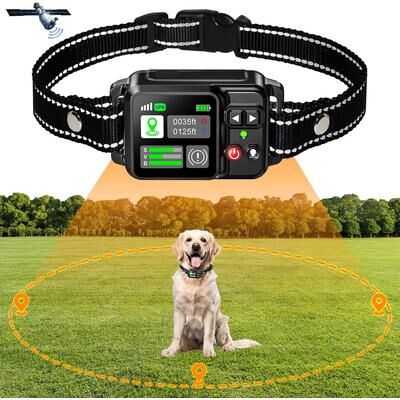
PetsAreLife GPS Wireless Dog Fencing System, Electric Dog Fence With GPS Electric Satellite Technology, Electric Pet Fencing System GPS Wireless Dog Fencing System, Electric Dog Fence With GPS Electric Satellite Technology, Electric Pet Fencing SystemKeep your best friend safe, happy, and free to roamwithout ever worrying about escapes. Our GPS Wireless Dog Fencing System combines cuttingedge satellite positioning with reliable electric borders to give you complete control over your pets play...114,99 $*Shipping: 0,00 $Secure redirect to the provider
-
Uplifted Finds Nylon H Frame Mobility Hub greenOptimize your pets outdoor safety and navigational control with the Nylon HFrame Mobility Hub, a professionalgrade restraint system engineered with dualpoint fixation logic. This highutility module features a specialized adjustablestrap architecture...32,97 $*Shipping: 0,00 $Secure redirect to the provider
-
The Handy Homestead GPS Wireless Dog Fencing System Electric Pet Containment With Satellite Technology GPS Wireless Dog Fencing System Electric Pet Containment With Satellite TechnologyEnsure your dogs safety without the hassle of traditional fencing with our GPS dog fence system. Designed for pet owners who want a reliable, invisible barrier, this system uses advanced GPS Satellite Technology to create a customizable perimeter...109,97 $*Shipping: 0,00 $Secure redirect to the provider


-
What were the cultivation techniques of the Green Revolution?
The Green Revolution introduced several key cultivation techniques to increase agricultural productivity. These techniques included the use of high-yielding crop varieties, improved irrigation methods, and the application of chemical fertilizers and pesticides. Additionally, the Green Revolution promoted mechanization of farming practices to increase efficiency and reduce labor requirements. Overall, these techniques aimed to boost crop yields and address food shortages in developing countries. **
-
What is the difference between permanent field cultivation and shifting cultivation?
Permanent field cultivation involves the continuous cultivation of the same piece of land over a long period of time, using methods such as irrigation and fertilization to maintain soil fertility. This type of cultivation is typically practiced in areas with stable and predictable environmental conditions. On the other hand, shifting cultivation involves the clearing of small plots of land for cultivation, which are then abandoned after a few years to allow the land to regenerate. This method is often used in areas with poor soil quality or where environmental conditions are less predictable. Shifting cultivation is also known as slash-and-burn agriculture, as the cleared land is often burned to prepare it for planting. **
-
What is greenhouse cultivation?
Greenhouse cultivation is a method of growing plants in a controlled environment within a structure made of transparent material, such as glass or plastic. This structure allows sunlight to enter and trap heat, creating a warm and stable climate for the plants. Greenhouse cultivation provides protection from extreme weather conditions, pests, and diseases, and allows for year-round production of crops. It also enables growers to control factors such as temperature, humidity, and light to optimize plant growth and yield. **
-
What is a shifting cultivation?
Shifting cultivation, also known as slash-and-burn agriculture, is a traditional farming method in which a plot of land is cleared and cultivated for a few years, then abandoned and allowed to revert to its natural state while the farmer moves on to a new plot. The cleared land is typically burned to clear away the vegetation and provide nutrients for the soil. This method is often practiced by indigenous communities in tropical regions and is sustainable when done in moderation, allowing the land to regenerate during the fallow period. However, overuse of shifting cultivation can lead to deforestation and soil degradation. **

What are rice cultivation areas?
Rice cultivation areas are regions where rice is grown as a primary crop. These areas typically have specific climatic and soil conditions that are suitable for rice cultivation. Rice cultivation areas can vary in size from small family farms to large commercial operations, and they play a crucial role in providing food security for many countries around the world. Additionally, these areas often have a long history of rice cultivation and may have developed unique farming practices and traditions related to growing rice. **
Can you explain shifting cultivation?
Shifting cultivation, also known as slash-and-burn agriculture, is a traditional farming method in which farmers clear a plot of land by cutting and burning the vegetation. The ashes from the burned vegetation provide nutrients to the soil, allowing farmers to grow crops for a few years before moving on to a new plot of land. This method is sustainable when practiced in a way that allows the land to regenerate, but it can lead to deforestation and soil degradation if not managed properly. Shifting cultivation is often practiced by indigenous communities in tropical regions around the world. **
Top-Angebote
Products related to Cultivation:
-
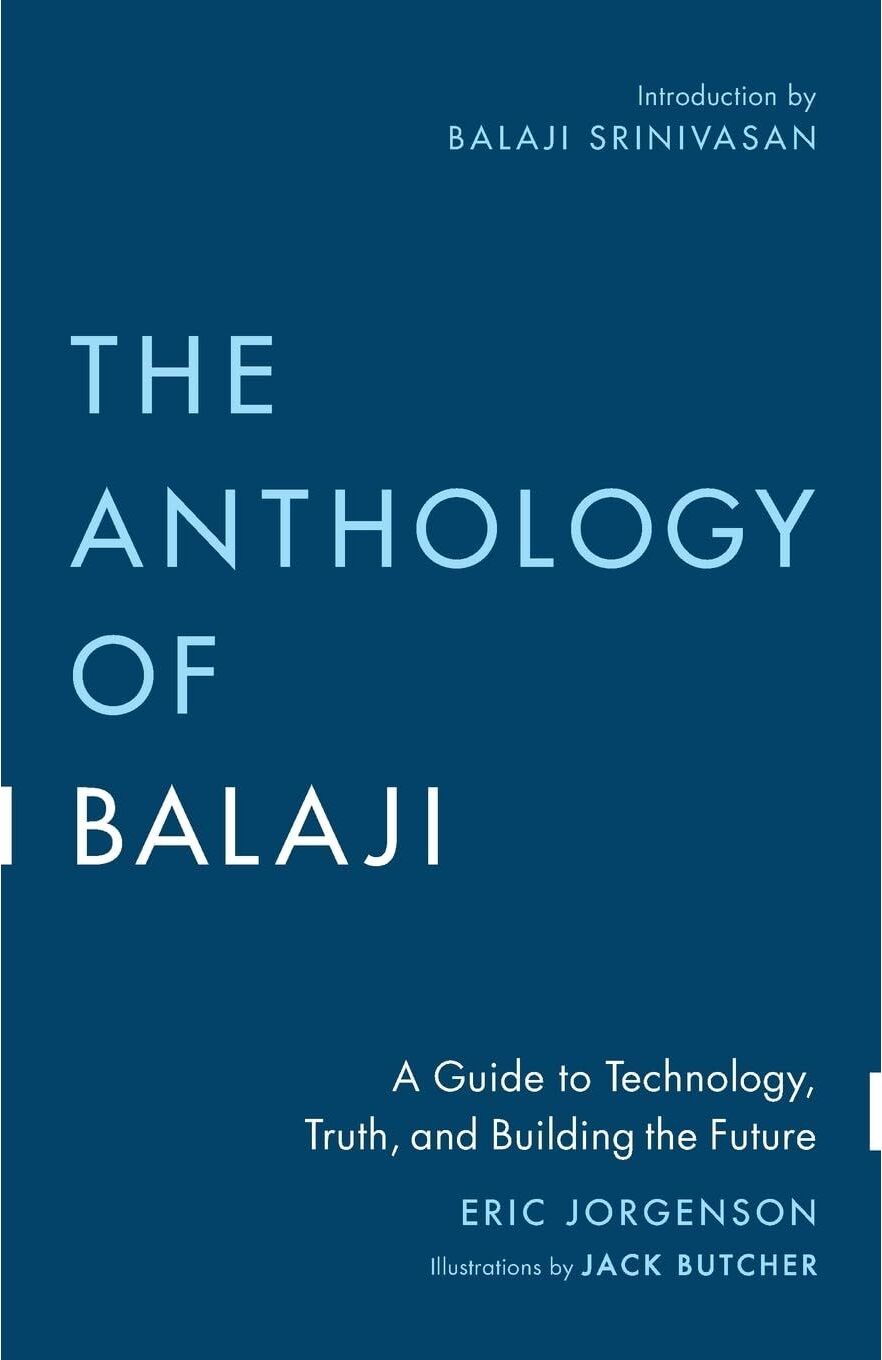
Magrathea Publishing The Anthology of Balaji: A Guide to Technology, Truth, and Building the FutureHow do you thrive in an unknown future? When you can’t see past the world we have now, look to visionaries like Balaji Srinivasan. His ideas show us how to build a healthier, brighter, and more technologically-advanced humanity. In The Anthology of Balaji: A Guide to Technology, Truth, and Building the Future, Eric Jorgenson curates a collection of Balaji’s wisdom from his entire career. In “Technology” you will see how technology shapes our world today and the ways it could shape our future. In “Truth” you learn how to think for yourself through the constant clamor of information and media. Finally, in “Building the Future,” you will learn how to wield Technology and Truth to change your life, change your community, and—maybe—change the future of our species. This guide will help you pick the next great investment, start a billion-dollar company, or even a new country. The Anthology of Balaji helps you visualize and build your brightest future.5,95 £*Shipping: 2,99 £Secure redirect to the provider
-
PetsAreLife GPS Wireless Dog Fencing System, Electric Dog Fence With GPS Electric Satellite Technology, Electric Pet Fencing System GPS Wireless Dog Fencing System, Electric Dog Fence With GPS Electric Satellite Technology, Electric Pet Fencing SystemKeep your best friend safe, happy, and free to roamwithout ever worrying about escapes. Our GPS Wireless Dog Fencing System combines cuttingedge satellite positioning with reliable electric borders to give you complete control over your pets play...114,99 $*Shipping: 0,00 $Secure redirect to the provider
-
Uplifted Finds Nylon H Frame Mobility Hub greenOptimize your pets outdoor safety and navigational control with the Nylon HFrame Mobility Hub, a professionalgrade restraint system engineered with dualpoint fixation logic. This highutility module features a specialized adjustablestrap architecture...32,97 $*Shipping: 0,00 $Secure redirect to the provider
-
How green is e-mobility?
E-mobility, or electric mobility, is considered a greener alternative to traditional vehicles that run on fossil fuels. Electric vehicles produce zero tailpipe emissions, reducing air pollution and greenhouse gas emissions. However, the overall environmental impact of e-mobility depends on factors such as the source of electricity used to charge the vehicles. If the electricity comes from renewable sources like solar or wind power, e-mobility can be considered very green. Additionally, the manufacturing and disposal of batteries used in electric vehicles can also have environmental implications that need to be considered. **
-
What are the pros and cons of the sustainability of shifting cultivation?
The pros of the sustainability of shifting cultivation include its ability to maintain soil fertility and biodiversity, as the land is allowed to fallow and regenerate. It also allows for the preservation of traditional agricultural practices and cultural heritage. Additionally, shifting cultivation can provide a source of income and food security for rural communities. However, the cons of the sustainability of shifting cultivation include the potential for deforestation and habitat loss, as well as the release of carbon dioxide from the burning of vegetation. It can also lead to conflicts over land rights and contribute to soil erosion in some cases. Additionally, as populations grow and land becomes scarcer, the traditional cycle of fallowing may not be sufficient to allow for full regeneration of the land. **
-
What were the cultivation techniques of the Green Revolution?
The Green Revolution introduced several key cultivation techniques to increase agricultural productivity. These techniques included the use of high-yielding crop varieties, improved irrigation methods, and the application of chemical fertilizers and pesticides. Additionally, the Green Revolution promoted mechanization of farming practices to increase efficiency and reduce labor requirements. Overall, these techniques aimed to boost crop yields and address food shortages in developing countries. **
-
What is the difference between permanent field cultivation and shifting cultivation?
Permanent field cultivation involves the continuous cultivation of the same piece of land over a long period of time, using methods such as irrigation and fertilization to maintain soil fertility. This type of cultivation is typically practiced in areas with stable and predictable environmental conditions. On the other hand, shifting cultivation involves the clearing of small plots of land for cultivation, which are then abandoned after a few years to allow the land to regenerate. This method is often used in areas with poor soil quality or where environmental conditions are less predictable. Shifting cultivation is also known as slash-and-burn agriculture, as the cleared land is often burned to prepare it for planting. **
Similar search terms for Cultivation
-
The Handy Homestead GPS Wireless Dog Fencing System Electric Pet Containment With Satellite Technology GPS Wireless Dog Fencing System Electric Pet Containment With Satellite TechnologyEnsure your dogs safety without the hassle of traditional fencing with our GPS dog fence system. Designed for pet owners who want a reliable, invisible barrier, this system uses advanced GPS Satellite Technology to create a customizable perimeter...109,97 $*Shipping: 0,00 $Secure redirect to the provider
-
What is greenhouse cultivation?
Greenhouse cultivation is a method of growing plants in a controlled environment within a structure made of transparent material, such as glass or plastic. This structure allows sunlight to enter and trap heat, creating a warm and stable climate for the plants. Greenhouse cultivation provides protection from extreme weather conditions, pests, and diseases, and allows for year-round production of crops. It also enables growers to control factors such as temperature, humidity, and light to optimize plant growth and yield. **
-
What is a shifting cultivation?
Shifting cultivation, also known as slash-and-burn agriculture, is a traditional farming method in which a plot of land is cleared and cultivated for a few years, then abandoned and allowed to revert to its natural state while the farmer moves on to a new plot. The cleared land is typically burned to clear away the vegetation and provide nutrients for the soil. This method is often practiced by indigenous communities in tropical regions and is sustainable when done in moderation, allowing the land to regenerate during the fallow period. However, overuse of shifting cultivation can lead to deforestation and soil degradation. **
-
What are rice cultivation areas?
Rice cultivation areas are regions where rice is grown as a primary crop. These areas typically have specific climatic and soil conditions that are suitable for rice cultivation. Rice cultivation areas can vary in size from small family farms to large commercial operations, and they play a crucial role in providing food security for many countries around the world. Additionally, these areas often have a long history of rice cultivation and may have developed unique farming practices and traditions related to growing rice. **
-
Can you explain shifting cultivation?
Shifting cultivation, also known as slash-and-burn agriculture, is a traditional farming method in which farmers clear a plot of land by cutting and burning the vegetation. The ashes from the burned vegetation provide nutrients to the soil, allowing farmers to grow crops for a few years before moving on to a new plot of land. This method is sustainable when practiced in a way that allows the land to regenerate, but it can lead to deforestation and soil degradation if not managed properly. Shifting cultivation is often practiced by indigenous communities in tropical regions around the world. **
* All prices are inclusive of VAT and, if applicable, plus shipping costs. The offer information is based on the details provided by the respective shop and is updated through automated processes. Real-time updates do not occur, so deviations can occur in individual cases. ** Note: Parts of this content were created by AI.